

Standalone RF Shield Boxes are self-contained RF shielding enclosures designed to provide a controlled electromagnetic environment for testing and measuring wireless devices. RF Electronics offers standalone shield boxes with flexible configurations for 5G, 4G, Wi-Fi, Bluetooth, LTE, IoT, MIMO and OTA testing. Available in different sizes and mobile configurations, they can accommodate larger DUTs, custom fixtures, antenna setups, I/O interfaces, cooling and automation for R&D, validation and production testing.


HDRF-9096-B


HDRF-CM3111-A
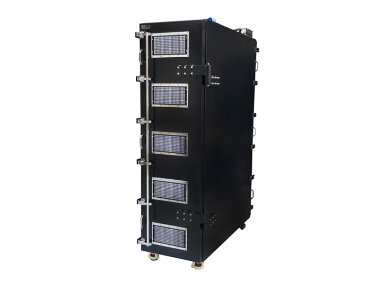
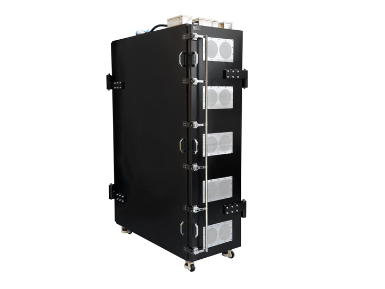
HDRF-245181-C


HDRF-245181-B


HDRF-245181-A


HDRF-3699-E


HDRF-3699-C_
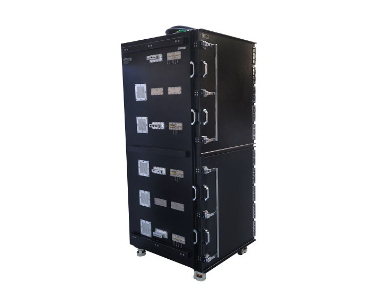
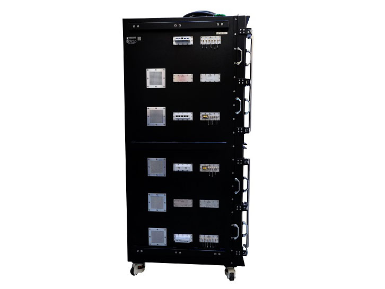
HDRF-7370-N_


HDRF-304424_
Find answers to common questions about RF shielding performance, testing applications, configurations, connectivity, and customization of Standalone RF Shield Boxes.
A Standalone RF Shield Box is a self-contained RF shielding enclosure on caster wheels or stationary platform designed for independent wireless device testing. It provides a controlled RF environment without requiring installation in a standard equipment rack or workbench.
A standalone shield box is ideal for testing larger devices, custom fixtures, or applications requiring greater internal space and flexibility. It is commonly used in R&D labs, validation testing, and low-to-medium volume production.
Yes. Standalone RF Shield Boxes are available in various sizes and can be customized to accommodate large or complex DUTs such as HAPS FPGA Platforms , Environmental Chambers (i.e TestEquity 107) , multiple devices, or specialized test fixtures.
Yes. Many standalone models are designed for easy relocation within laboratories, while larger systems can be fitted with heavy-duty castor wheels for convenient mobility.
Absolutely. RF Electronics offers customized standalone shield boxes with configurable dimensions, I/O interfaces, antenna setups, DUT fixtures, cooling systems, and automation features.
Standalone RF Shield Boxes support testing of Wi-Fi, Bluetooth, RFID, LTE, 5G, UWB, GNSS, Zigbee, Thread, Matter, IoT devices, and many other wireless communication technologies.
Yes. They can be configured for Over-the-Air (OTA), MIMO, antenna performance, and wireless device validation using customized antenna mounting arrangements and RF absorbers.
Standalone RF Shield Boxes are widely used in telecommunications, semiconductor, automotive, consumer electronics, aerospace, defence, medical devices, research institutions, and wireless product development laboratories.


 Item added to cart


